
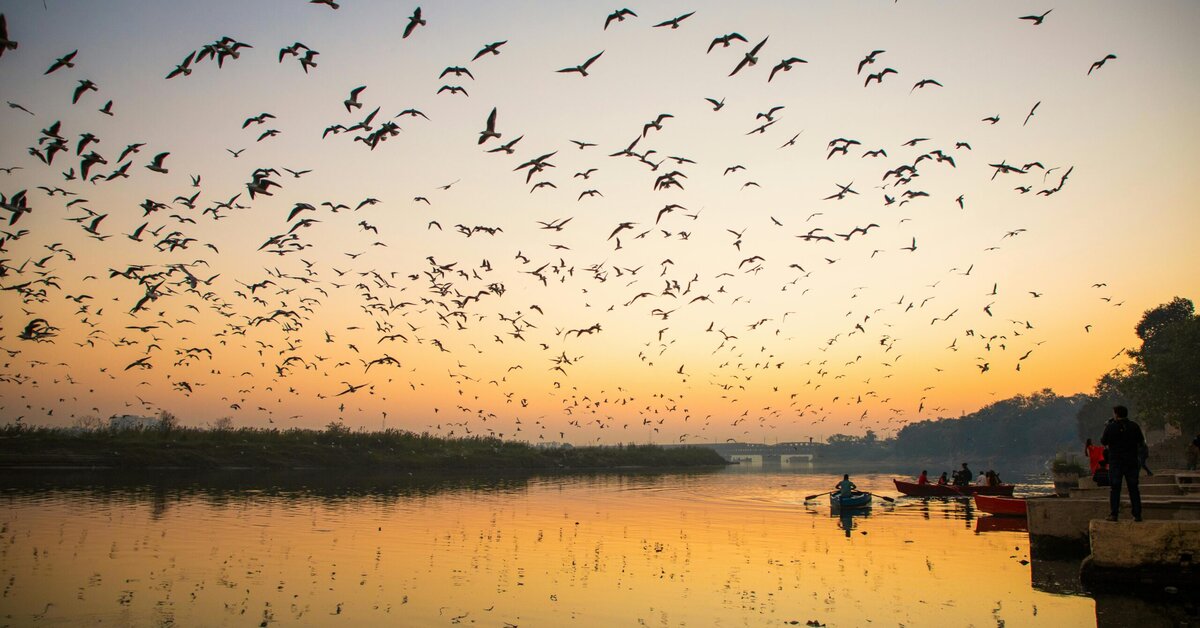
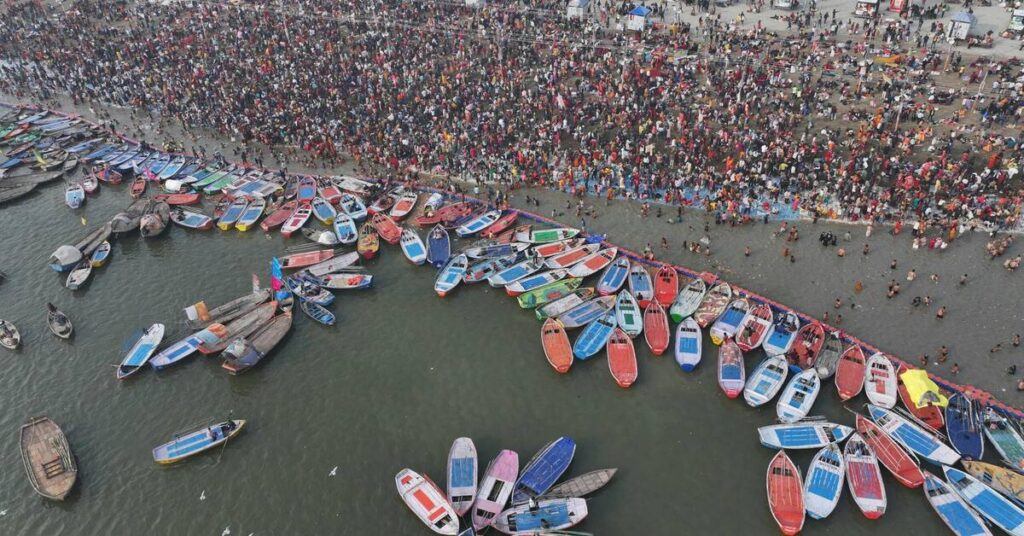
Private Magh Mela Camp with Heater & Attached Washroom , Have you ever imagined combining spiritual devotion with modern comfort? That’s exactly what a private Magh Mela camp offers. The Magh Mela, one of India’s most ancient and revered religious gatherings, takes place annually at Prayagraj (formerly Allahabad) during the Hindu month of Magh, which typically falls between January and February. This sacred festival attracts millions of pilgrims who come to bathe at the Sangam, the holy confluence of the Ganga, Yamuna, and the mythical Saraswati rivers.
Private Magh Mela Camp with Heater & Attached Washroom ,The tradition dates back thousands of years, mentioned in ancient Hindu scriptures. Pilgrims believe that taking a dip in these sacred waters during Magh Mela washes away sins and brings spiritual merit. The atmosphere buzzes with devotional songs, religious discourses, and an overwhelming sense of faith that’s truly indescribable.
The Evolution of Magh Mela Accommodation
Private Magh Mela Camp with Heater & Attached Washroom ,Remember when camping at religious gatherings meant roughing it out in basic tents? Those days are changing rapidly. Traditional camping at Magh Mela involved simple canvas tents with minimal facilities, shared washrooms located far away, and cold winter nights spent huddled under blankets. While these experiences had their own charm and sense of austerity, they weren’t suitable for everyone, especially families with children, elderly parents, or those with health concerns.
Today’s pilgrims don’t have to choose between spiritual fulfillment and physical comfort. Private Magh Mela camps have revolutionized the pilgrimage experience by offering luxury amenities without compromising the sacred nature of the journey. This evolution reflects a broader trend in spiritual tourism where comfort and devotion walk hand in hand.
What Makes a Private Magh Mela Camp Special?
Privacy and Comfort
Private Magh Mela Camp with Heater & Attached Washroom ,Think of a private camp as your home away from home during your spiritual journey. Unlike the crowded public camping areas where thousands share limited facilities, private camps offer exclusive spaces for you and your family. You get your own tent, your own washroom, and your personal space to rest and rejuvenate between rituals. This privacy becomes especially valuable during the month-long festival when you need moments of quiet reflection amidst the bustling mela grounds.
Premium Amenities
Modern private camps have transformed the camping experience entirely. We’re talking about proper beds with quality mattresses, electricity supply, charging points for your devices, storage furniture for your belongings, and even reading lights. Some premium camps offer Wi-Fi connectivity, allowing you to stay connected with family back home or share your spiritual journey on social media. It’s like having a hotel room, but you’re right there at the heart of the sacred festivities.
Enhanced Spiritual Experience
Here’s the beautiful irony: by reducing physical discomfort, private camps actually enhance your spiritual experience. When you’re not worried about where to use the washroom at midnight or shivering through cold January nights, you can focus entirely on your prayers, meditations, and spiritual practices. Your energy goes into devotion rather than survival.
Key Features of Private Camps with Heaters & Attached Washrooms
Heated Tents for Winter Comfort
January in Prayagraj can be brutally cold, with temperatures sometimes dropping to 5°C or lower. Private camps equipped with room heaters transform this challenge into comfort. These aren’t just small, inadequate heaters either. Quality camps provide proper heating systems that maintain comfortable temperatures throughout the night. Imagine stepping out of a warm tent for your early morning bath at the Sangam and returning to warmth afterward. That’s the difference a heater makes.
Attached Washrooms: A Game Changer
Let’s talk about what might be the most important feature: attached washrooms. In traditional camping setups, midnight bathroom trips meant walking hundreds of meters to shared toilet blocks, often with long queues. For elderly people, children, or anyone with mobility issues, this was a nightmare. Attached washrooms with western-style toilets, running water, and proper sanitation facilities eliminate this stress completely. You have your own private bathroom just steps away from your bed. Many camps also provide hot water for bathing, which is nothing short of luxury during winter mornings.
Quality Bedding and Furnishings
Sleep quality matters, especially when you’re participating in physically demanding religious activities. Private camps provide comfortable beds with clean sheets, warm blankets, pillows, and sometimes even duvets. The tents are spacious enough to store luggage, with proper flooring (not just ground sheets), chairs, and tables. Some premium options even include wardrobes and full-length mirrors.
24/7 Security and Support Staff
Safety concerns disappear when you choose reputed private camps. These facilities employ trained security personnel who patrol the premises round-the-clock. Additionally, dedicated support staff assists with everything from carrying luggage to arranging transportation to the bathing ghats. Need help at 3 AM? There’s always someone available to assist you.
Benefits of Choosing a Private Camp
Hygiene and Cleanliness
In the midst of a gathering attended by millions, maintaining hygiene becomes paramount. Private camps employ daily housekeeping services that clean your tent, change linens regularly, and sanitize washrooms multiple times daily. This level of cleanliness significantly reduces health risks and makes your stay more pleasant. During the ongoing awareness about health and sanitation, these standards aren’t just about comfort—they’re about safety.
Convenience for Families and Elderly
Planning a pilgrimage with your aging parents or young children? Private camps make it feasible. The attached washrooms mean grandma doesn’t need to walk far during the night. The heated tents protect children from cold-related illnesses. The privacy allows families to maintain their routines, rest when needed, and participate in rituals at their own pace. It’s truly multigenerational pilgrimage made practical.
Stress-Free Pilgrimage Experience
Spiritual journeys shouldn’t be stressful, yet logistical nightmares often overshadow the devotional aspects. Private camps handle the details so you don’t have to. They’re typically located strategically close to bathing ghats, reducing travel time. Many offer meal services, eliminating cooking concerns. Transportation arrangements, guide services, and ritual supplies—everything is either provided or easily arranged through the camp management.
What to Expect at Your Private Magh Mela Camp
Arrival and Check-In Process
Most reputable camp providers offer pickup services from railway stations or airports. Upon arrival at the camp, you’ll go through a simple check-in process where staff will show you to your tent and explain available facilities. They’ll provide you with camp maps, schedules of important bathing dates, and contact numbers for assistance. The orientation typically covers safety protocols, meal timings, and how to access various services.
Daily Routines and Rituals
Your typical day might start early—say 4 AM—when camp staff gently wake guests interested in the dawn bath at the Sangam. Transportation to the ghats is usually arranged. After returning and freshening up, breakfast is served. The rest of the day might include attending religious discourses, visiting nearby temples, exploring the mela grounds, or simply resting in your tent. Evening prayers, dinner, and perhaps some cultural programs round out the day. The beautiful part? You control your schedule completely.
Meal Services and Catering Options
Food at private camps deserves special mention. Most camps offer pure vegetarian, satvik meals prepared with attention to cleanliness and nutrition. Breakfast might include fresh parathas, seasonal vegetables, fruits, and hot beverages. Lunch and dinner typically feature traditional North Indian cuisine with rice, rotis, dal, vegetables, and desserts. Special dietary requirements—whether religious, health-related, or preference-based—are usually accommodated with advance notice. Some premium camps even offer customized menu options.
Booking Your Private Camp: Essential Tips
When to Book
Here’s the golden rule: book as early as possible. Premium private camps with the best locations and facilities get fully booked months in advance, especially for important bathing dates like Makar Sankranti or the Shahi Snan days. Ideally, start your search 3-4 months before the Magh Mela begins. Early booking often comes with price advantages too.
Choosing the Right Camp Provider
Not all private camps are created equal. Research thoroughly before booking. Look for established providers with positive reviews from previous years. Check if they’re registered with the Mela authorities. Ask detailed questions about tent specifications, amenities, location, security arrangements, and cancellation policies. Request photographs—real ones, not just marketing images. If possible, speak directly with someone who’s stayed there before. Word-of-mouth recommendations within your community can be invaluable.
Understanding Pricing and Packages
Private camp pricing varies widely based on amenities, location, and duration. Basic packages might start around ₹2,000-3,000 per person per night, while premium options can go up to ₹10,000 or more. Understand exactly what’s included: Are meals part of the package? Transportation? How about bedding and heating? Some camps charge per tent regardless of occupancy, while others price per person. Calculate the total cost including any additional services you’ll need. Remember, paying slightly more for genuine quality is better than being disappointed with a cheaper option that doesn’t deliver on promises.
Comparing Private Camps vs. Regular Camps
Let’s be honest about the differences. Regular camping areas, managed by the government or simple operators, cost significantly less—sometimes just ₹200-500 per person per night. However, you’re sharing facilities with hundreds of others, washrooms are communal and basic, there’s minimal privacy, and comfort is rudimentary. There’s no heating, limited security, and you’re essentially on your own.
Private camps, while more expensive, offer incomparably better experiences. Think of it as the difference between traveling by local train versus an air-conditioned coach. Both reach the destination, but the journey differs vastly. For many pilgrims, especially those who can afford the difference, private camps make the spiritual journey accessible when roughing it out simply isn’t an option due to age, health, or family circumstances.
The location advantage also matters. Premium private camps often secure spots closer to the main bathing ghats, cutting down your daily travel time significantly. During peak days when millions converge on the Sangam, this proximity becomes priceless.
Safety and Health Considerations
Medical Facilities at Private Camps
Reputable private camps maintain basic medical facilities with trained first-aid staff on site. Some even have doctors on call. Emergency medicines, first-aid kits, and oxygen cylinders are typically available. For serious medical issues, camps coordinate with nearby hospitals. This medical backup provides peace of mind, especially for elderly pilgrims or those with pre-existing health conditions.
COVID-19 and Hygiene Protocols
While COVID-19 protocols have evolved, quality private camps continue maintaining enhanced hygiene standards that became important during the pandemic. Regular sanitization of common areas, availability of sanitizers, provisions for social distancing in dining areas, and mask requirements during crowded events often remain in place. These practices, now normalized, actually benefit everyone by reducing all kinds of infections common in large gatherings.
Fire Safety Measures
With thousands of tents, cooking facilities, and heaters in use, fire safety cannot be overlooked. Licensed private camps comply with fire safety regulations, maintaining adequate fire extinguishers, using safe electrical installations, and training staff in emergency procedures. They also create proper spacing between tents and maintain clear evacuation routes. Always check these safety certifications before booking.
Making the Most of Your Magh Mela Experience
Best Bathing Dates (Shahi Snan)
While every day of Magh is considered auspicious for bathing, certain dates hold special significance. Makar Sankranti (usually January 14-15) marks the beginning of the mela and is extremely auspicious. Mauni Amavasya, Basant Panchami, and Maghi Purnima are other major bathing days when millions gather. If you’re planning a shorter stay, timing it around these dates maximizes your spiritual experience. However, be prepared for larger crowds on these days.
Spiritual Activities and Rituals
Beyond bathing, Magh Mela offers countless spiritual opportunities. Attend morning and evening aartis at the Sangam that create an atmosphere of collective devotion you’ll never forget. Listen to discourses by revered saints and spiritual leaders who set up camps throughout the mela grounds. Participate in yajnas, visit akharas where ascetics reside, or simply spend time in meditation by the holy waters. Many pilgrims also perform pitru tarpan (offerings to ancestors) and other important rituals with the help of local priests.
Exploring the Mela Grounds
The Magh Mela is like a temporary city that springs up, complete with markets, temples, cultural programs, and more. Explore the book markets selling spiritual literature, shop for rudraksha beads and religious items, watch traditional performances, or taste local delicacies at food stalls. The diversity of saints, sadhus, and pilgrims from every corner of India creates a unique cultural tapestry. Your private camp serves as a comfortable base from which to explore all this richness.
Sustainability and Environmental Considerations
As awareness grows about environmental impact, better private camps are adopting eco-friendly practices. This includes using biodegradable materials, proper waste segregation and disposal, minimizing plastic usage, and even employing solar power where feasible. Some camps partner with local communities for waste management and recycling. When choosing a camp, consider asking about their environmental practices. Spiritual purity and environmental responsibility go beautifully together.
The temporary nature of the Magh Mela means millions of tons of waste could potentially harm the sacred rivers. By choosing camps that handle waste responsibly and following guidelines yourself—like not throwing trash in the rivers—you contribute to keeping these holy waters clean for future generations.
Real Experiences: Testimonials from Previous Guests
Rajesh Sharma from Delhi shares: “We took my 78-year-old mother to Magh Mela last year. I was worried about how she’d manage, but the private camp with attached washroom made all the difference. She could rest comfortably between rituals, and the heater meant she wasn’t constantly cold. It made her dream pilgrimage possible.”
Priya Malhotra from Mumbai says: “As a woman traveling with my teenage daughter, the privacy and security of a private camp were non-negotiable. We could perform our rituals peacefully and had a safe space to return to. The attached bathroom meant we didn’t have to compromise on hygiene. Worth every rupee.”
The Agarwal family from Kolkata notes: “With three generations traveling together, we needed space and comfort. Our private camp had multiple interconnected tents, a common sitting area, and wonderful staff who helped with everything from arranging priests for rituals to getting us to the ghats during Mauni Amavasya. It was a spiritual journey without the physical hardship.”
Frequently Asked Questions About Private Magh Mela Camps
What’s the ideal duration to stay? Most pilgrims stay between 3-7 days, timing their visit around major bathing dates. However, traditionally, staying the entire month of Magh is considered most auspicious. Your duration depends on your schedule, budget, and spiritual goals.
Can I book for just the important bathing days? Yes, many camps offer flexible booking options, though minimum stay requirements (usually 2-3 nights) often apply during peak dates.
Are meals customizable for dietary restrictions? Reputable camps accommodate dietary requirements including Jain food, diabetic meals, or preferences like no onion-garlic. Inform them while booking.
How far are private camps from the Sangam? Distances vary, but premium camps are typically 1-3 kilometers from the main bathing ghats, with transportation provided. The closest camps book earliest and cost more.
Is advance payment required? Yes, most camps require 30-50% advance payment to confirm bookings, with the balance payable on arrival. Understand the cancellation policy before paying.
Conclusion
Choosing a private Magh Mela camp with heater and attached washroom isn’t about luxury for luxury’s sake. It’s about making one of Hinduism’s most sacred pilgrimages accessible, comfortable, and meaningful for everyone, regardless of age or physical capability. When the physical challenges are managed, your entire energy can focus on the spiritual purpose of your journey—that’s the real benefit.
The investment in a private camp pays dividends in peace of mind, health protection, and the ability to participate fully in rituals without exhaustion. For families, it’s often the difference between going or not going at all. For elderly devotees, it makes a dream pilgrimage possible. For anyone, it transforms what could be an endurance test into a memory of spiritual upliftment.
As the Magh Mela continues evolving to meet modern needs while preserving ancient traditions, private camps represent the best of both worlds. You honor tradition through your presence and devotion while embracing practical comforts that enhance rather than diminish the experience. After all, a rested pilgrim can focus better on prayers than one constantly worrying about cold nights and bathroom facilities.
So if you’re planning your Magh Mela journey, seriously consider a private camp. Your body will thank you, and your spirit will soar unencumbered by physical discomfort. The sacred Sangam awaits, and now you can experience it in both devotion and comfort.
FAQs
1. What is the best time to visit Magh Mela for a shorter trip?
If you can only spare a few days, plan around Makar Sankranti (mid-January), Mauni Amavasya (new moon in late January/early February), or Basant Panchami. These are the most spiritually significant bathing dates when the atmosphere reaches its peak. However, book well in advance as these dates see maximum crowds and camps fill up quickly.
2. Are private camps safe for solo female travelers?
Yes, reputable private camps prioritize safety with 24/7 security, well-lit premises, and supportive staff. Many women travel solo or in groups to Magh Mela. Choose established camp operators with good reviews, inform someone about your location, and stay within the camp premises after dark. The community atmosphere at Magh Mela is generally respectful and safe.
3. Can I perform all my religious rituals from a private camp?
Absolutely. Private camps are specifically designed to facilitate your spiritual journey. Camp staff can help arrange priests for specific rituals, provide puja materials, and guide you on auspicious timings for bathing. Many camps have small temple areas within the premises for daily worship. The only ritual requiring you to leave camp is the sacred bath at the Sangam itself.
4. What should I pack for a private Magh Mela camp stay?
Even with heaters, pack warm clothing including thermals, woolens, shawls, and jackets for early morning bathing. Bring extra clothes for changing after rituals, comfortable walking shoes, flashlight, personal medications, toiletries, and religious items you need. Most camps provide bedding, but you might want your own blanket for extra warmth. Don’t forget identification documents and booking confirmations.
5. How do private camps handle power supply and charging facilities?
Most established private camps have generator backups ensuring 24-hour electricity, though some may have specific timing restrictions to conserve power. Charging points are typically provided in tents for mobile phones and small devices. However, power cuts can occur during peak usage times, so carrying a power bank is advisable. Check with your specific camp about their power supply arrangements before booking.




Comments are closed.